Get Involved
We are always looking for volunteers over the age of 18 to join our corps of over 200 who do everything from animal diets to animal care to rescuing marine mammals. Our volunteers make our work possible.

Rescue - Rehabilitate - Release
Your donation makes a difference. CWC does not receive any regular funding from federal, state or local governments and we rely on the public to keep our doors open to the animals who need help.
Join a select group of supporters dedicated to California Wildlife Center’s mission and receive exclusive benefits including sneak peeks into CWC’s inner workings. Join us today!
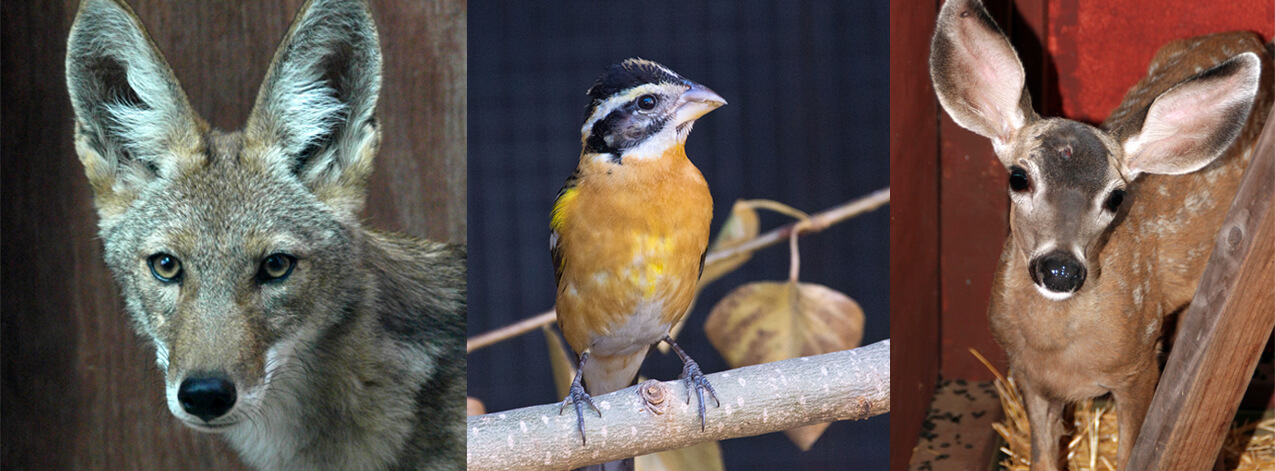
California Wildlife Center takes responsibility for the protection of native wildlife through rehabilitation, education, and conservation. It is dedicated to the rescue and rehabilitation of native California species, who otherwise would be left to suffer from the effects of human encroachment, habitat destruction and environmental damage.
How can I keep migrating ducks from taking up residence in my pool?
Usually, brightly colored objects floating freely in the water will discourage them from landing on it. Things like beach balls or kids’ toys can be used effectively. Covering the pool until they have moved on also works well. Keep landscaping clear of low-lying shrubs, grasses, and weeds as this creates a suitable environment for duck nests.
For more information about Ducks, visit http://www.dfwwildlife.org/duck.html
There is a raccoon in my yard/attic. What can I do?
Raccoons cannot legally be relocated to another area, but there are a few things you can do to encourage them to move on.
RACCOON REPELLANTS
Cayenne pepper
Repel® Granules –available at Amazon.com (doesn’t always work but worth a try)
Hot Pepper Repellant Recipe
You need:
1. One chopped yellow onion
2. One chopped Jalapeno pepper
3. One tablespoon of Cayenne Pepper
Boil ingredients for 20 minutes in two quarts of water. Then let it cool and strain the mixture through cheesecloth. Apply this with a spray bottle. You must apply daily!
Mechanical Repellants
Scarecrow® by Contech – a motion-activated high-pressure jet sprayer. It gets great reviews and comes highly recommended by many wildlife exclusionists. Available on Amazon.com
Raccoons are smart, so these exclusion tactics usually work quite well if performed correctly.
RACCOONS ON THE PREMISES
Be sure to eliminate all outside food sources, such as pet food, birdseed, etc. in the evening. If your pets must be fed outside, then remove all food at night.
Use metal or heavy plastic trash containers. Keep the lids securely fastened to prevent odors from escaping.
Keep BBQ grills clean or stored in a secure place.
If you see a raccoon, haze them. Create a noisemaker such as a soda can taped closed with some pennies inside. Throw the can towards the raccoons. Spray them with a hose.
Install an electric fence on the tops of all the fences and on the bottoms if they can climb under. Fido-shock or Havahart brands are recommended. They can be found on Amazon.com.
Use the Scarecrow mentioned above in high traffic areas such as gardens.
RACCOONS IN THE ATTIC
If there are babies, give the mother 1 or 2 nights to relocate the family.
It is best to leave them alone until mom moves the babies out.
If you can, sprinkle Cayenne pepper or Repel® granules, a commercial dog and cat repellant, around the entry hole, both inside and out, if this is possible.
During the day, place a radio in the attic tuned to an all-talk station.
Use floodlights to keep the area where they are living well lit.
Once the raccoon has moved out, secure their entry point. Use hardware cloth or welded wire.
RACCOONS ON THE ROOF
Spray them with a hose.
Trim the trees closest to the house or wrap a 4ft wide sheet metal flashing around the tree a couple of feet off the ground to prevent climbing.
Apply metal flashing to other areas of entry.
RACCOONS IN THE GARDEN
Use a Scarecrow sprayer in the garden.
Apply cayenne pepper spray recipe liberally daily around vulnerable plants.
Light the area with floodlights or motion detector lights.
RACCOONS IN THE FISH POND
Build a frame around the pond. Attach 1 ft of chicken wire that will protrude over the edge of the pond. Raccoons will not stand on the flimsy wire and won’t be able to get to the edge of the pond to reach down.
Have plenty of hiding places for fish to go into well away from the edge of the pond.
I found a baby bird that fell from its nest. What should I do?
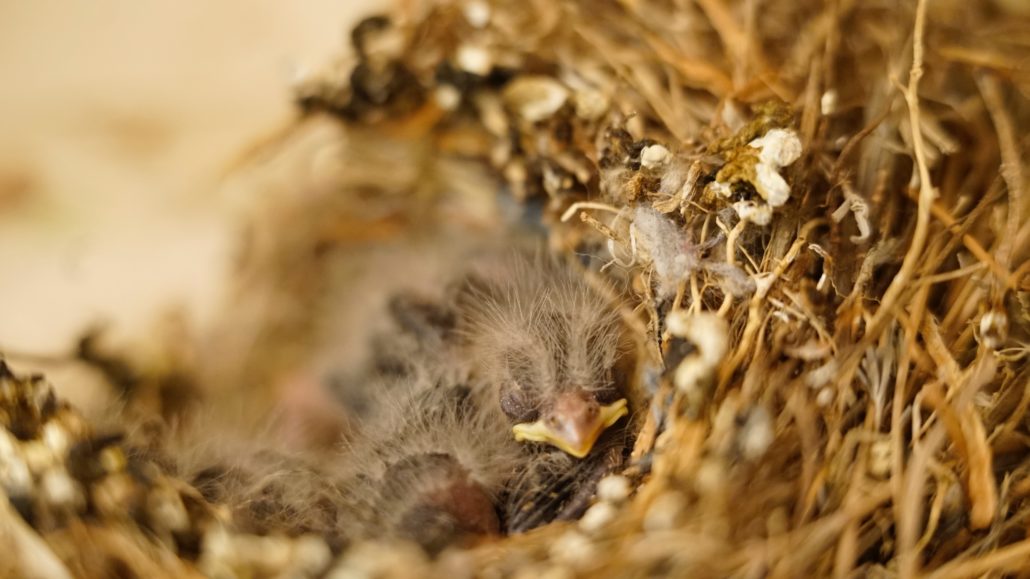
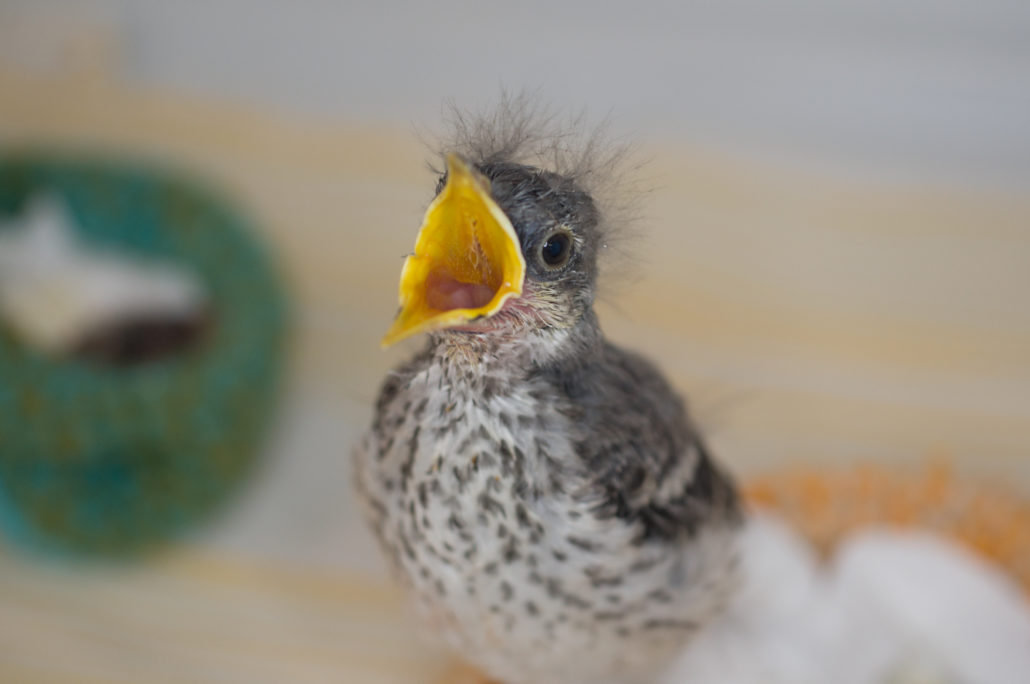
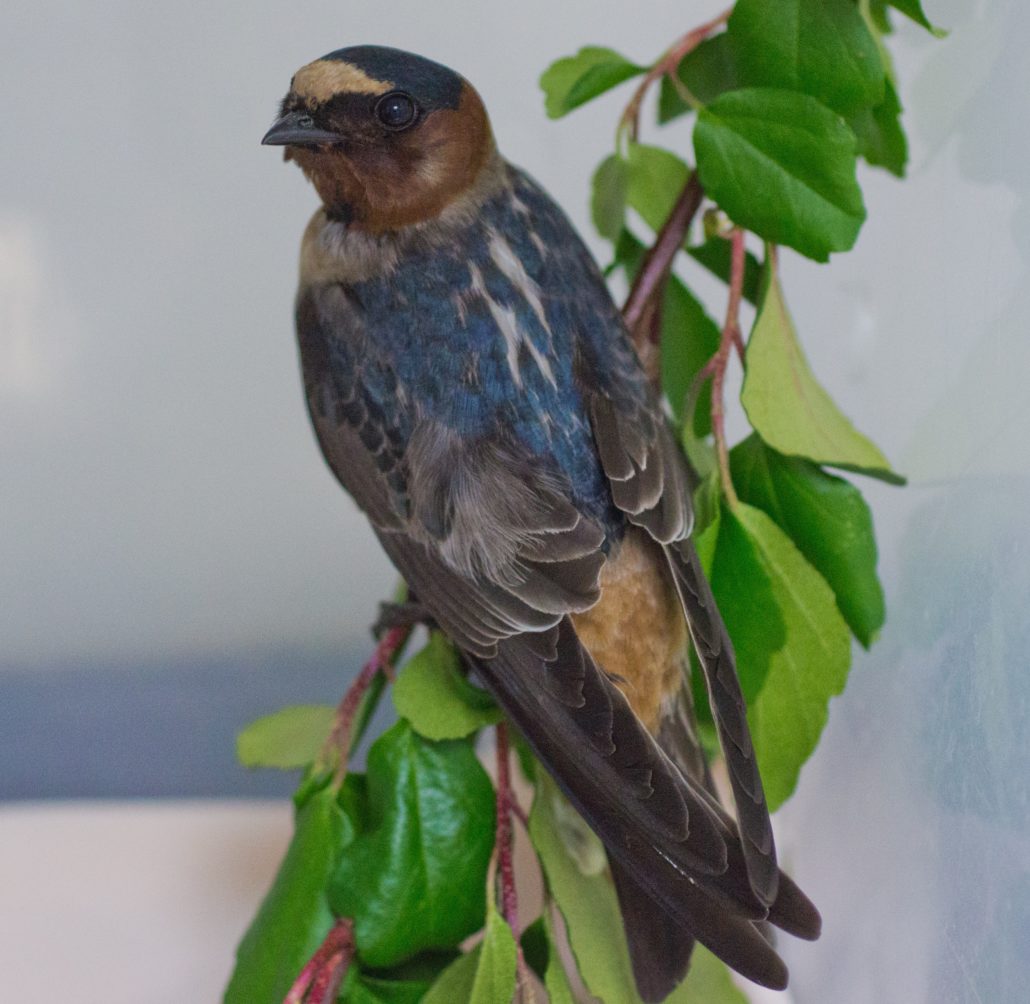
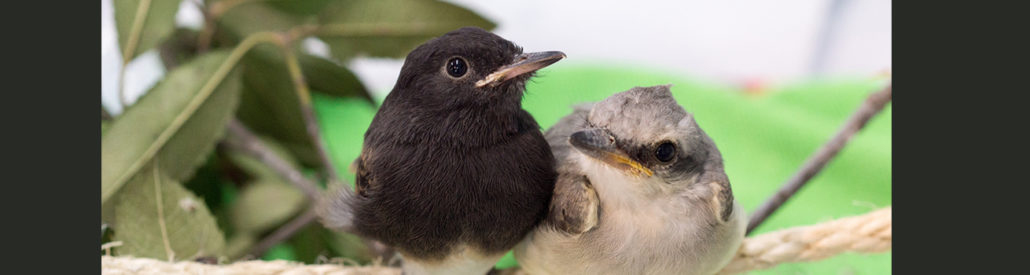
Orphaned Baby Songbirds
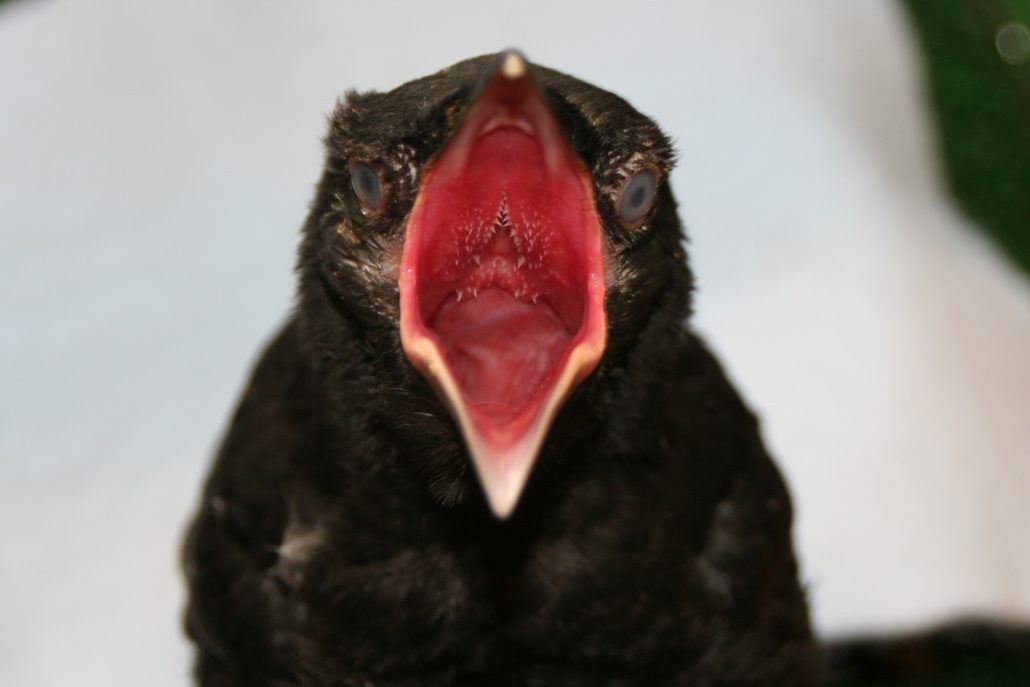
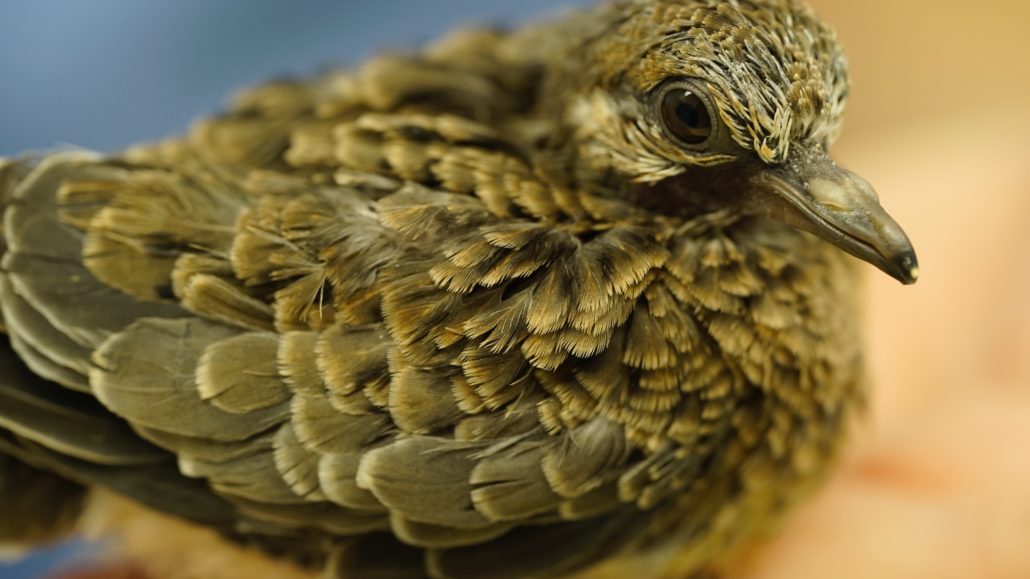
If you find a baby bird during the spring or summer months that is fully feathered, able to perch and grasp with its feet, and able to hop around, then it has likely fledged and will be fed by its parents on the ground. Fledgling birds are learning to fly from the ground up and will flutter around and hide under bushes, while the parents watch and gather food. Leave the fledgling on the ground near where you found it initially. It does not belong in a nest (nor will it stay in one) as it is their instinct to be on the ground. If you are unsure about the bird being a fledgling or notice an injury such as a wing droop or a wound, please contact CWC staff and follow the directions below.
If the bird runs around and is chick-like (covered with short fuzzy down), it may be a baby quail or killdeer. These birds nest on the ground, and the parents fly off when people come near. Leave the immediate area and watch to see if a parent will come back.
It is a federal offense to keep native wildlife as pets. Baby songbirds will need immediate care from a licensed rehabilitator.
The bird needs help and should be brought to California Wildlife Center if:
What to do if the bird needs to be brought to CWC
There are coyotes in my neighborhood. What should I do?
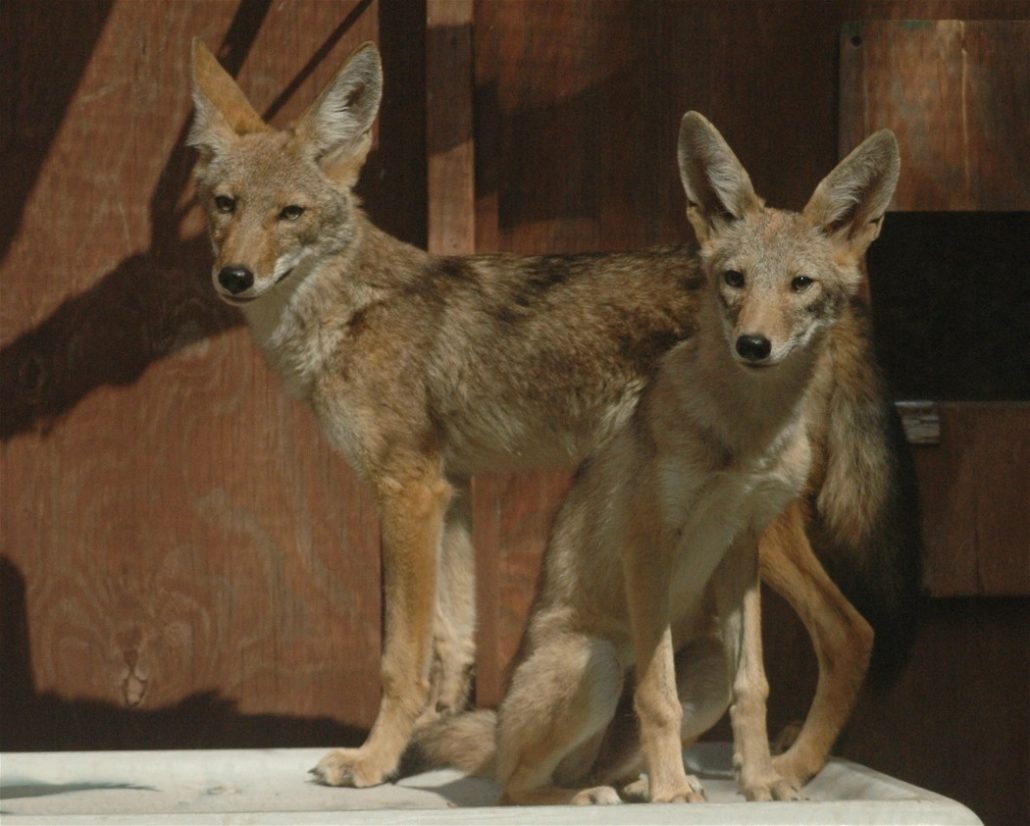
Coyotes are a part of even the most urban environments. Here are things to do that may minimize conflict:
Never feed coyotes! Most conflicts occur when coyotes associate people with food. This alters their behavior and makes them more dangerous.
If you see a coyote in your yard:
For answers to specific Coyote Coexistence situations, please read our Coyote Coexistence Guidelines.
What should I do if I find an injured hummingbird?
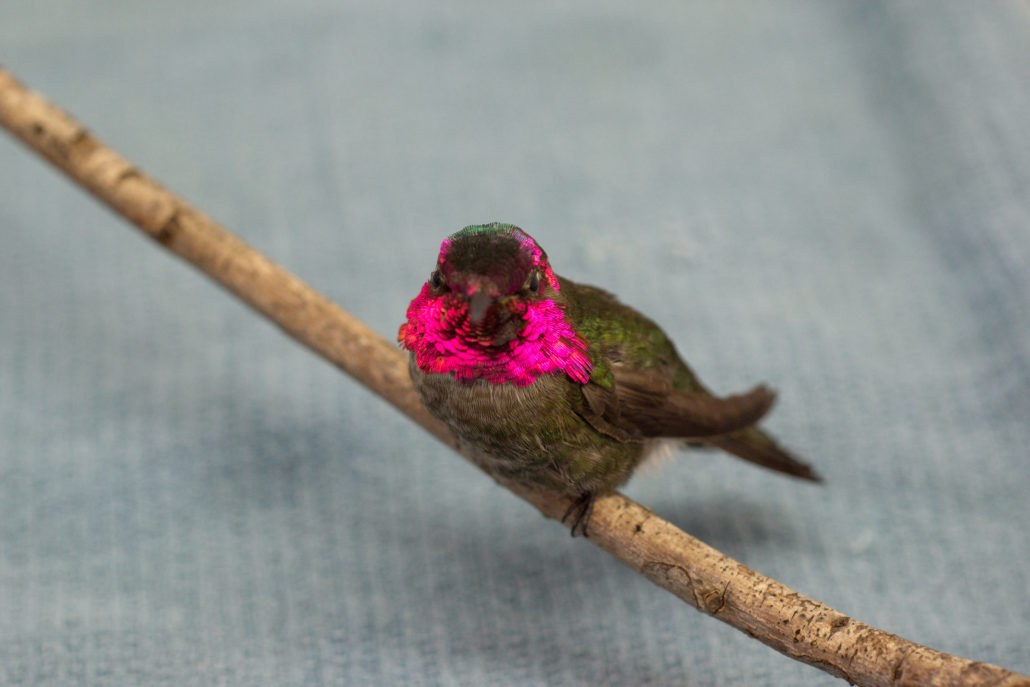
Injured/Sick Adult Hummingbirds
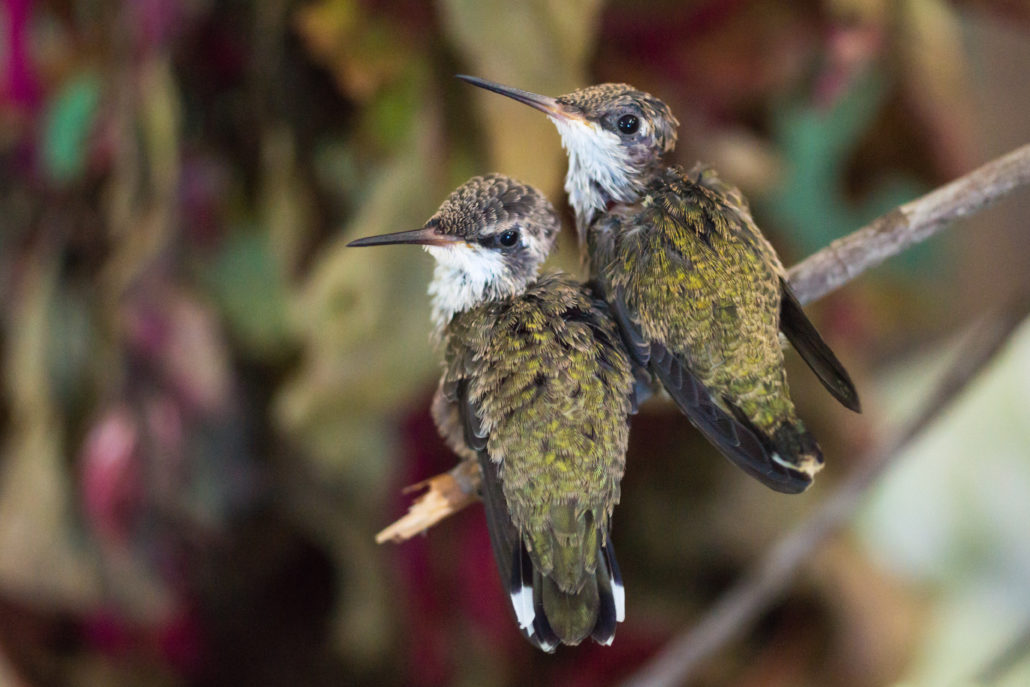
Orphaned Baby Hummingbirds
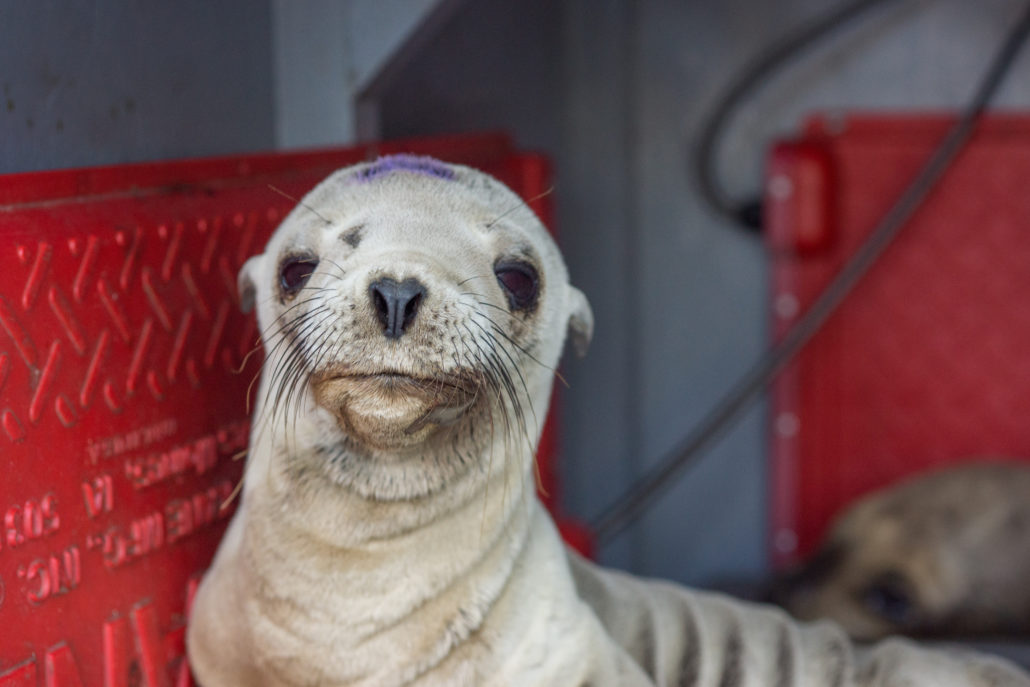
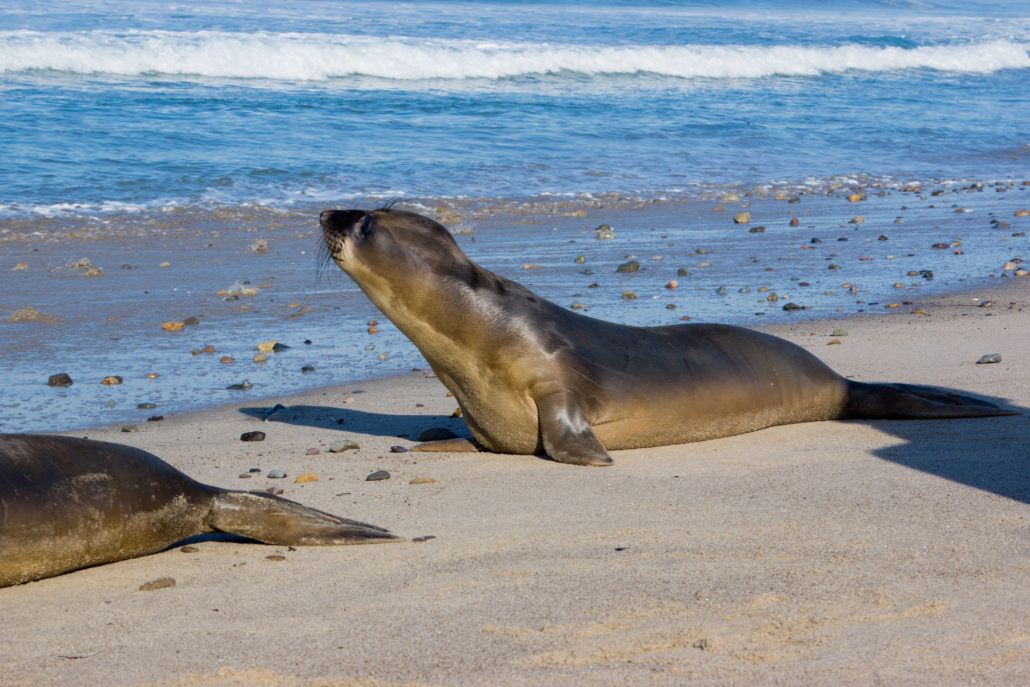
What should I do if I find a stranded seal?
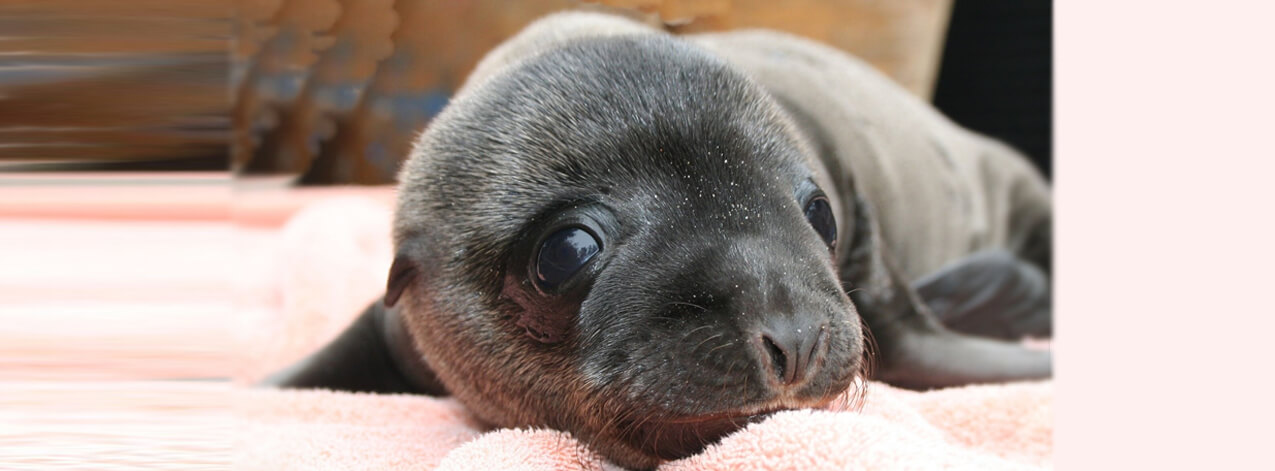
With a population of over 10 million and an area of over 4700 square miles, Los Angeles is a densely packed metropolis. As people flock to the region for its beautiful beaches, phenomenal weather, and scenic landscapes, they come in greater and greater contact with animals. Whether it’s accidentally knocking down a bird’s nest, or a piece of trash ingested by a sea lion, the human encroachment in Southern California is having a deleterious effect on its wildlife.
Our goal is to keep native fauna wild by rehabilitating animals as quickly as possible and releasing them back into their native territory.
We accept animals 365 days a year. Whether directly from the public, through our relationships with local animal care centers or from local vets, animals arriving at CWC will receive state-of-the-art care. We receive over 30,000 calls a year from the public with issues that range from raccoons in the attic, a fox struck by a car, or an orphaned duckling. Our staff and volunteers provide vital information that is key to saving the animals’ lives.